A Rare and Exciting Encounter in Antique
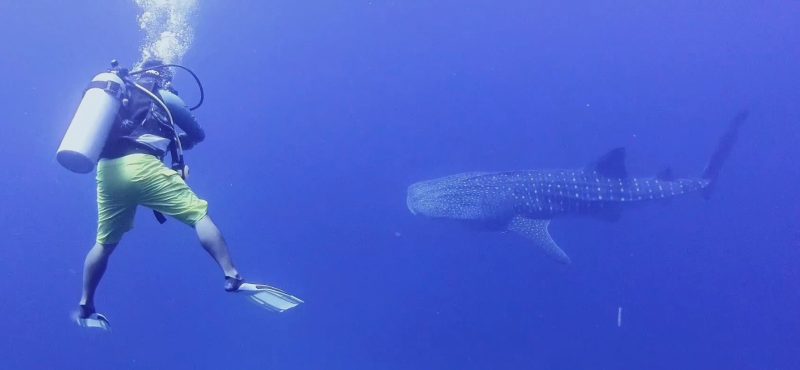
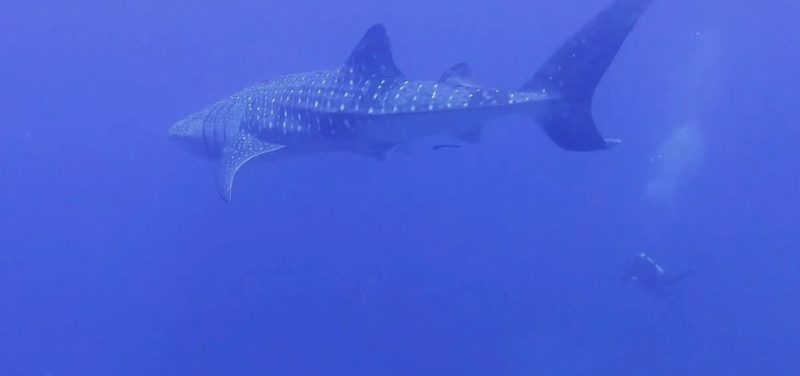
A recent whale shark sighting in Antique has sparked excitement among divers, marine enthusiasts, and local communities. Known locally as “butanding,” the whale shark (Rhincodon typus) is the largest fish in the world and a globally endangered species.
While sightings in Antique are still uncommon, reports of a massive individual appearing along its coastline highlight the region’s growing ecological importance. For divers and ocean lovers, this isn’t just a rare moment—it’s a signal that Antique’s waters may be part of important migration routes or feeding grounds for these gentle giants.
Why Whale Sharks Matter
Whale sharks are slow-moving, filter-feeding animals that play a crucial role in marine ecosystems. They feed primarily on plankton, helping regulate oceanic food chains and maintain ecological balance.
However, their populations have declined significantly due to:
* Overfishing and bycatch
* Boat strikes
* Illegal trade and poaching
Today, they are classified as Endangered, with global populations dropping by more than 50% over the past decades.
Each sighting, especially in lesser-known areas like Antique, provides valuable insight into their behavior, migration, and survival.
What This Means for Tourism in Antique
Whale shark encounters have transformed coastal towns across the Philippines into major tourism hubs. In places like Donsol and Oslob, whale shark tourism has generated significant income and global attention.
For Antique, this could mean:
* Increased dive tourism
* New livelihood opportunities for local communities
* Stronger positioning as an emerging eco-tourism destination
Whale shark tourism is already a booming industry in the Philippines, attracting thousands of visitors annually. In some communities, it has helped reduce fishing pressure by providing alternative income sources.
However, growth must be handled carefully.
The Double-Edged Sword of Whale Shark Tourism
While whale shark tourism offers economic benefits, it also comes with risks if not properly managed.
Potential Benefits
* Encourages marine conservation awareness
* Provides alternative income for fishermen
* Promotes sustainable tourism
Potential Risks
* Overcrowding and stress on whale sharks
* Disruption of natural feeding and migration patterns
* Physical harm from boats and human interaction
Studies have shown that poorly managed tourism can reduce feeding time and alter whale shark behavior. In some areas, artificial feeding practices have raised concerns about long-term ecological impact and animal welfare.
A Chance to Do It Right: Sustainable Whale Shark Tourism
Unlike heavily commercialized sites, Antique has a unique opportunity to build a responsible, sustainable model from the start.
Best practices include:
* Strict no-touch, no-chase policies
* Limiting the number of tourists and boats
* No artificial feeding
* Educating visitors on marine conservation
* Partnering with local communities and marine scientists
This approach mirrors successful eco-tourism models where whale sharks are observed in their natural habitat without interference.
Why This Matters for Marine Biodiversity
The presence of whale sharks often indicates a healthy, plankton-rich ecosystem—a sign that marine biodiversity in Antique is thriving.
Their appearance suggests:
* Strong food availability (plankton blooms)
* Healthy ocean currents and ecosystems
* Potential biodiversity hotspots worth protecting
Protecting whale sharks also helps protect coral reefs, fish populations, and entire marine food chains.
In short, protecting one species helps protect the entire ocean ecosystem.
What Divers and Travelers Should Know
If whale shark encounters become more frequent in Antique, divers and snorkelers should follow responsible interaction guidelines:
* Maintain a safe distance
* Avoid touching or blocking their path
* Never use flash photography
* Choose ethical dive operators
* Respect local conservation rules
Responsible tourism ensures that future generations can experience the same awe.
Final Thoughts: A Turning Point for Antique
The whale shark sighting in Antique is more than just a viral moment—it’s a potential turning point.
Handled correctly, it could:
* Put Antique on the global dive map
* Strengthen marine conservation efforts
* Create sustainable livelihoods for local communities
But without proper management, it could also risk harming the very species that make it special.
For The DiveHouse community and beyond, this is a reminder of why we dive—not just to explore, but to protect.
Explore More with The DiveHouse
At The DiveHouse, we believe in responsible diving and protecting the oceans we love. Stay tuned as we continue to explore Antique’s waters and advocate for sustainable marine tourism.
Because every dive is a chance to protect what we love.